
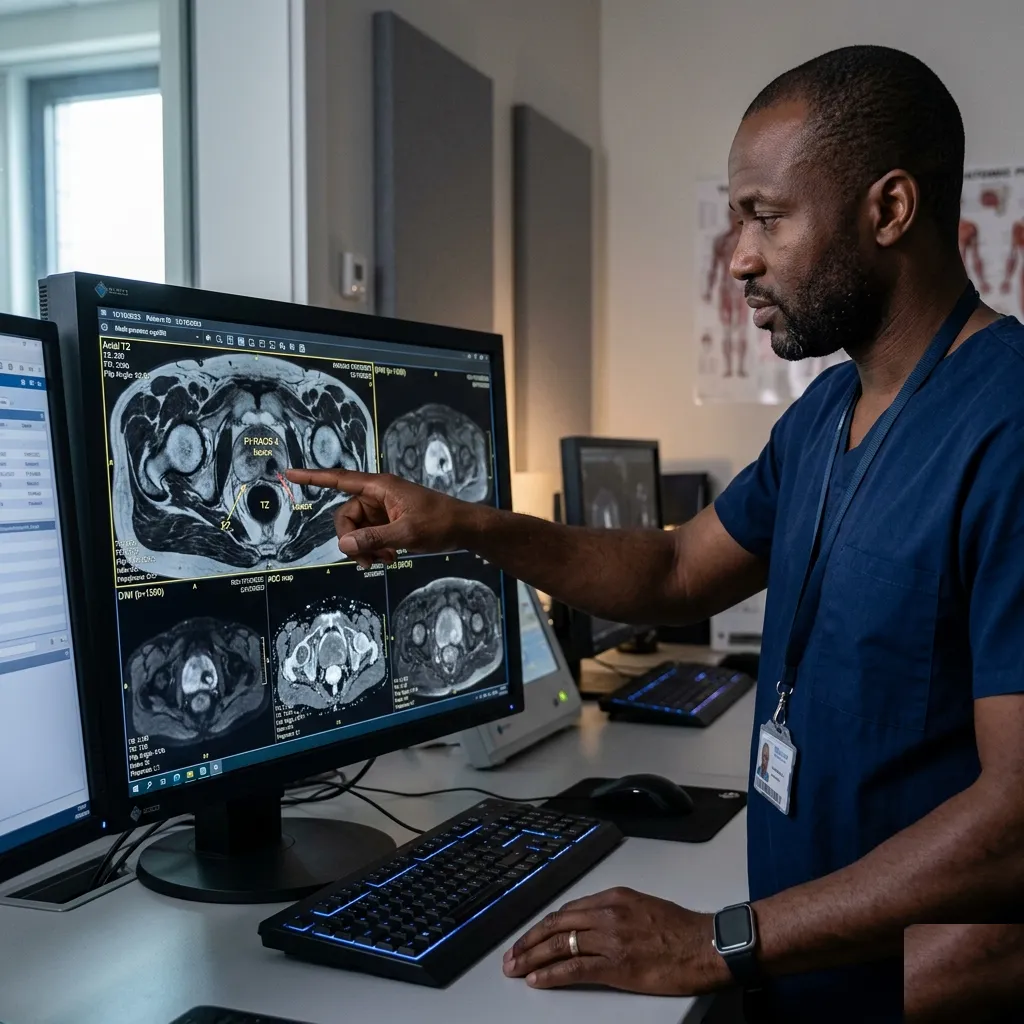
Prostate cancer is one of the common cancers men encounter as they get older, but not every prostate cancer behaves the same way.
Some grow slowly. Others need more active treatment. That difference is one reason imaging has become increasingly important.
Where radiology fits in
Radiology often supports prostate cancer care through:
- MRI of the prostate, especially when doctors want a better look at suspicious areas
- Imaging to help guide targeted biopsy decisions
- Staging studies in selected patients
- Follow-up imaging when needed
MRI can help show whether there are areas in the prostate that deserve closer attention, but it does not replace biopsy when tissue confirmation is needed.
Why MRI matters
A good prostate MRI can help doctors think more clearly about:
- Whether a suspicious lesion is present
- Where it is located
- How aggressive it may appear
- Whether targeted biopsy may help
That can improve decision-making instead of relying only on blood tests or exam findings.
What management may involve
Depending on the cancer and the patient, management may include:
- Active surveillance
- Surgery
- Radiation therapy
- Hormone therapy
- Other systemic treatments in more advanced disease
Not every patient needs the same intensity of treatment.
Why "watching it" is sometimes appropriate
Patients are often surprised that some prostate cancers are managed with active surveillance rather than immediate surgery.
That is not neglect. It is sometimes the safest way to avoid overtreatment when the cancer appears low-risk.
Why imaging is only one piece
The treatment plan is usually shaped by:
- PSA trends
- Biopsy results
- MRI findings
- Stage and extent of disease
- Age, symptoms, and overall health
The bottom line
Radiology, especially prostate MRI, helps refine how prostate cancer is detected, evaluated, and managed. It supports smarter decisions, but it works best alongside biopsy and specialist care.