
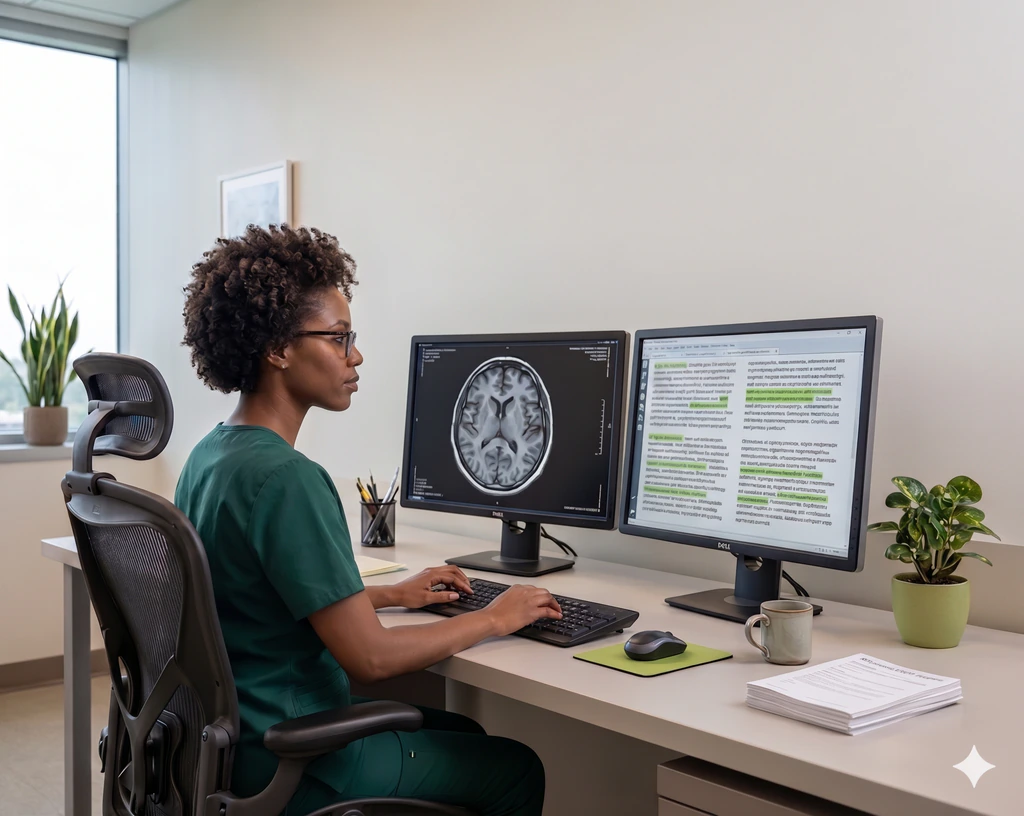
The phrase "second opinion" can sound dramatic, as if something has already gone very wrong. In reality, it is often a calm, sensible step.
Radiology second opinions are usually about one thing: getting more confidence in what the images mean and what should happen next.
A second opinion is not an insult
Patients sometimes worry that asking for another review means they are challenging their doctor or mistrusting the first radiologist.
That is not how it has to be viewed.
Medicine is complex. Some scans are straightforward. Others live in the gray zone, where experience, subspecialty training, and clinical context can make a real difference.
Situations where a second opinion may help
It may be worth considering another review if:
- Your report is confusing or hard to reconcile with what your doctor told you
- Two doctors seem to be interpreting the result differently
- A major treatment decision depends on the scan
- The finding is rare, subtle, or located in a complicated area
- You simply do not feel you understand what is happening yet
Sometimes the biggest gift of a second opinion is not a different diagnosis. It is a clearer explanation.
What a good second opinion can do
A thoughtful re-review may:
- Confirm the first interpretation
- Suggest a narrower or more likely diagnosis
- Recommend a different follow-up scan
- Highlight a finding that needs more attention
- Reassure you that the current plan makes sense
All of those outcomes are valuable, even when the conclusion does not change dramatically.
What to provide for the best review
If possible, a second-opinion radiologist should see:
- The actual images, not just the written report
- The original report
- Relevant clinical history
- Older comparison studies when available
This is important because imaging makes more sense when it is viewed in context.
What a second opinion cannot do
It cannot remove all uncertainty from medicine. Some findings genuinely need follow-up over time before they become clear.
It also cannot replace the doctor who knows your full story, examines you, and manages your treatment decisions.
Clarity is a form of care
People sometimes feel guilty for needing extra explanation. They should not.
When you are scared, in pain, or trying to understand a serious diagnosis, clarity is not a luxury. It is part of good care.
A second opinion is simply one way of getting there.