
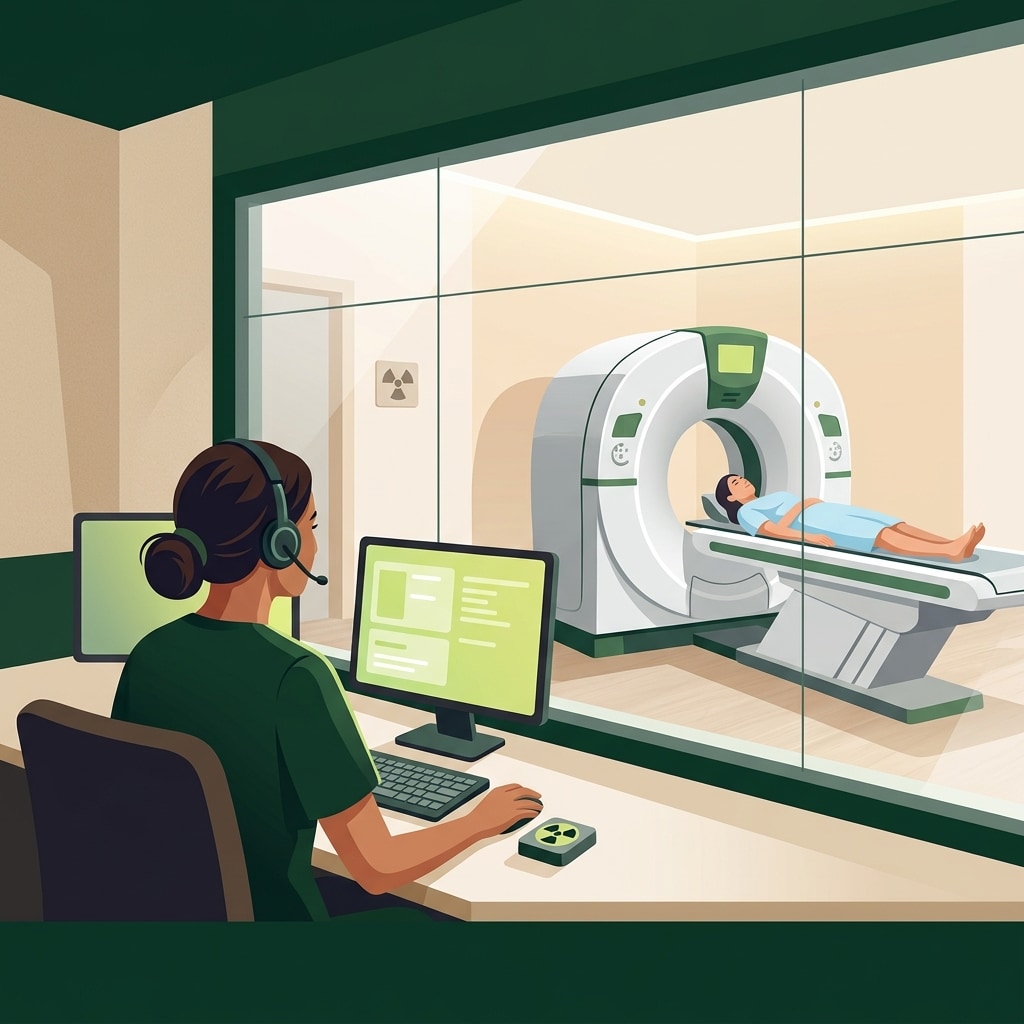
CT scans save lives. They can quickly detect bleeding, infection, stroke, fractures, tumors, and many other serious problems. But because CT uses X-rays, many people understandably ask the same question:
Is the radiation dangerous?
The honest answer is that radiation is not meaningless, but the conversation needs balance.
Yes, CT uses more radiation than a standard X-ray
A CT scan takes many images and combines them into detailed cross-sectional views of the body. Because it gathers much more information than a single X-ray, the radiation exposure is usually higher too.
That sounds alarming until you remember the point of the exam: a CT is often ordered when your doctor needs an answer that simpler tests cannot provide.
The better question is often: is this scan justified?
In medicine, the goal is not "no radiation ever." The goal is using the right amount of imaging for the right reason.
If a CT scan is likely to:
- Diagnose something dangerous
- Change treatment quickly
- Prevent complications
- Avoid unnecessary surgery
then the benefit may clearly outweigh the radiation risk.
When concern is especially reasonable
It is sensible to raise the question if:
- The patient is a child
- Multiple CT scans are being done over time
- You are not clear on why CT was chosen over ultrasound or MRI
- The scan was suggested casually, without much explanation
These are not rude questions. They are thoughtful ones.
What you can ask your doctor
Try asking:
- Why is CT the best test for this problem?
- Is there a non-radiation option like ultrasound or MRI?
- Will this scan change what happens next?
Often, the explanation itself lowers anxiety because you can see the medical logic behind the request.
Modern imaging centers try to reduce dose
Good centers do not treat radiation casually. They use protocols designed to keep dose as low as reasonably possible while still producing useful images.
That matters because a low-quality scan that has to be repeated is not helpful to anyone.
Fear deserves context, not dismissal
People do not become "difficult patients" by asking about radiation. At the same time, fear alone should not make you avoid a test that could answer an urgent medical question.
The most helpful path is usually this: understand why the scan is being ordered, ask what alternatives exist, and then make the decision in context rather than panic.