
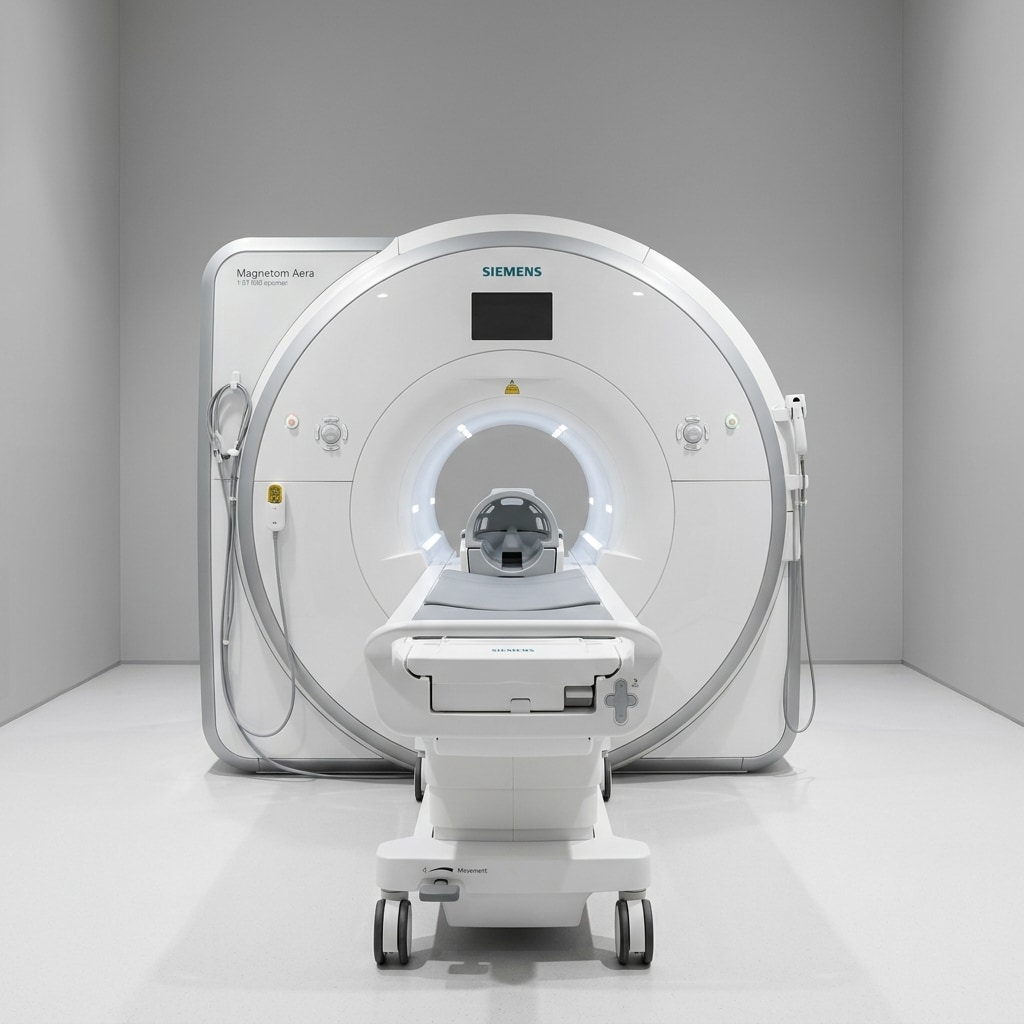
Being told you need another scan can trigger instant worst-case thinking.
But follow-up imaging is often part of careful, ordinary medical decision-making. It does not automatically mean the first scan found something dangerous.
Why follow-up gets recommended
Common reasons include:
- A finding is probably benign but worth rechecking
- The radiologist wants to confirm stability over time
- The first scan was limited
- A treatment response needs monitoring
- The safest next step is watchful imaging rather than immediate invasive testing
In many cases, follow-up is the measured option, not the alarming one.
Why doctors do not always jump straight to biopsy or treatment
Because not every uncertain finding needs an aggressive next step.
Sometimes time itself provides the answer:
- If it stays the same, that can be reassuring
- If it changes, the next decision becomes clearer
Why the waiting feels worse than the logic
Emotionally, follow-up recommendations can feel brutal because they prolong uncertainty.
Clinically, though, they often reflect restraint and good judgment rather than avoidance.
What to ask
If repeat imaging is recommended, ask:
- What exactly are we watching?
- How likely is this to be something serious?
- Why this timeline?
- What would make you change the plan sooner?
Those questions turn a vague threat into an actual plan.
The bottom line
Repeat scans can be stressful, but they are often part of safe, intelligent care. The recommendation usually reflects caution and pattern-tracking, not panic.